Positive Behaviour Support (PBS)
Positive Behaviour Support (PBS) is an evidence-based approach aimed at improving the quality of life for individuals, particularly those with disabilities, by promoting positive behaviours and reducing challenging behaviours. PBS focuses on understanding the reasons behind behaviours, creating supportive environments, and teaching new skills.
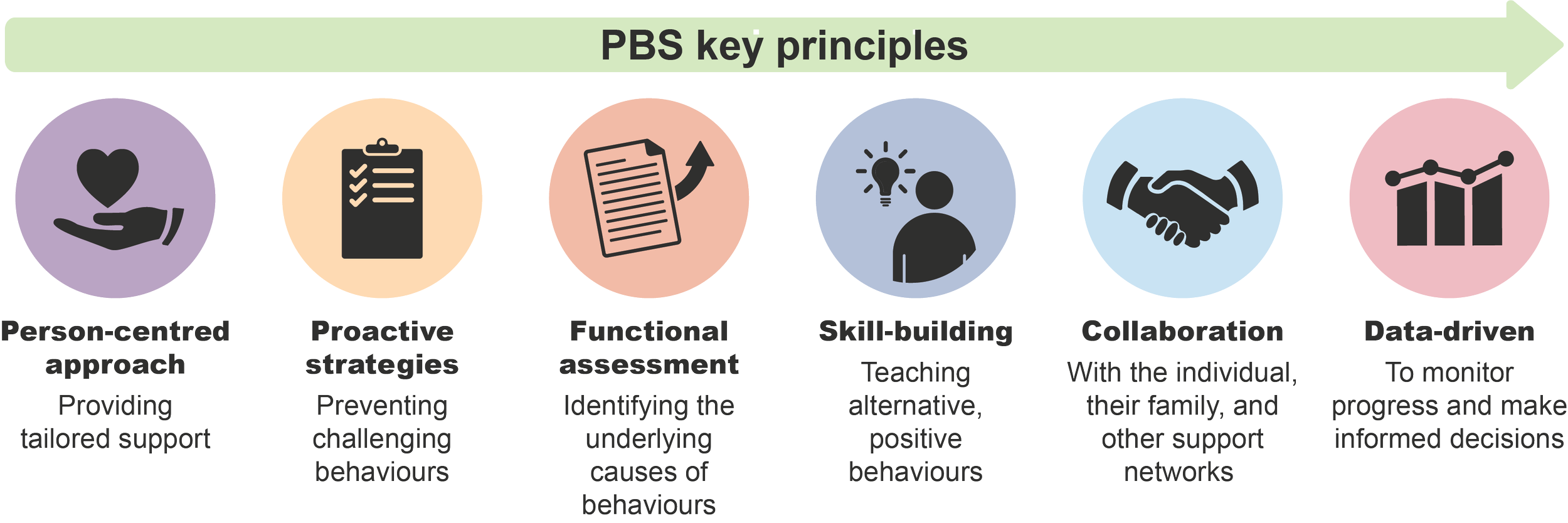
Key components of PBS include:
Individualised Support: Tailoring interventions to meet the specific needs of each person based on their unique circumstances.
Proactive Strategies: Encouraging positive behaviours through reinforcement and creating environments that anticipate and prevent challenging behaviours.
Functional Assessment: Analyzing the context and triggers of behaviours to understand their purpose, which informs the development of strategies.
Collaboration: Involving families, caregivers, and other stakeholders in the planning and implementation of support strategies.
Skill Development: Teaching alternative behaviours and skills that help individuals express their needs in appropriate ways.
PBS is utilized across various settings, including schools, homes, and community programs, to create inclusive and supportive environments that enhance the well-being of individuals with diverse needs.
Specialist behaviour support providers work closely with NDIS participants and others to:
develop a behaviour support plan
put the behaviour support plan into action
ongoing monitoring of plan to ensure individual success.
Specialist behaviour support providers are required to follow a set of rules and ethical considerations as set out by the NDIS. These are in place to protect the rights of people with disability and reduce and eliminate restrictive practices over time.
Behaviour Support Practitioners are employed by registered specialist behaviour support providers to develop behaviour support plans.
Only behaviour support practitioners who are considered suitable by the NDIS Commission can develop a behaviour support plan.
Please contact us for further information.